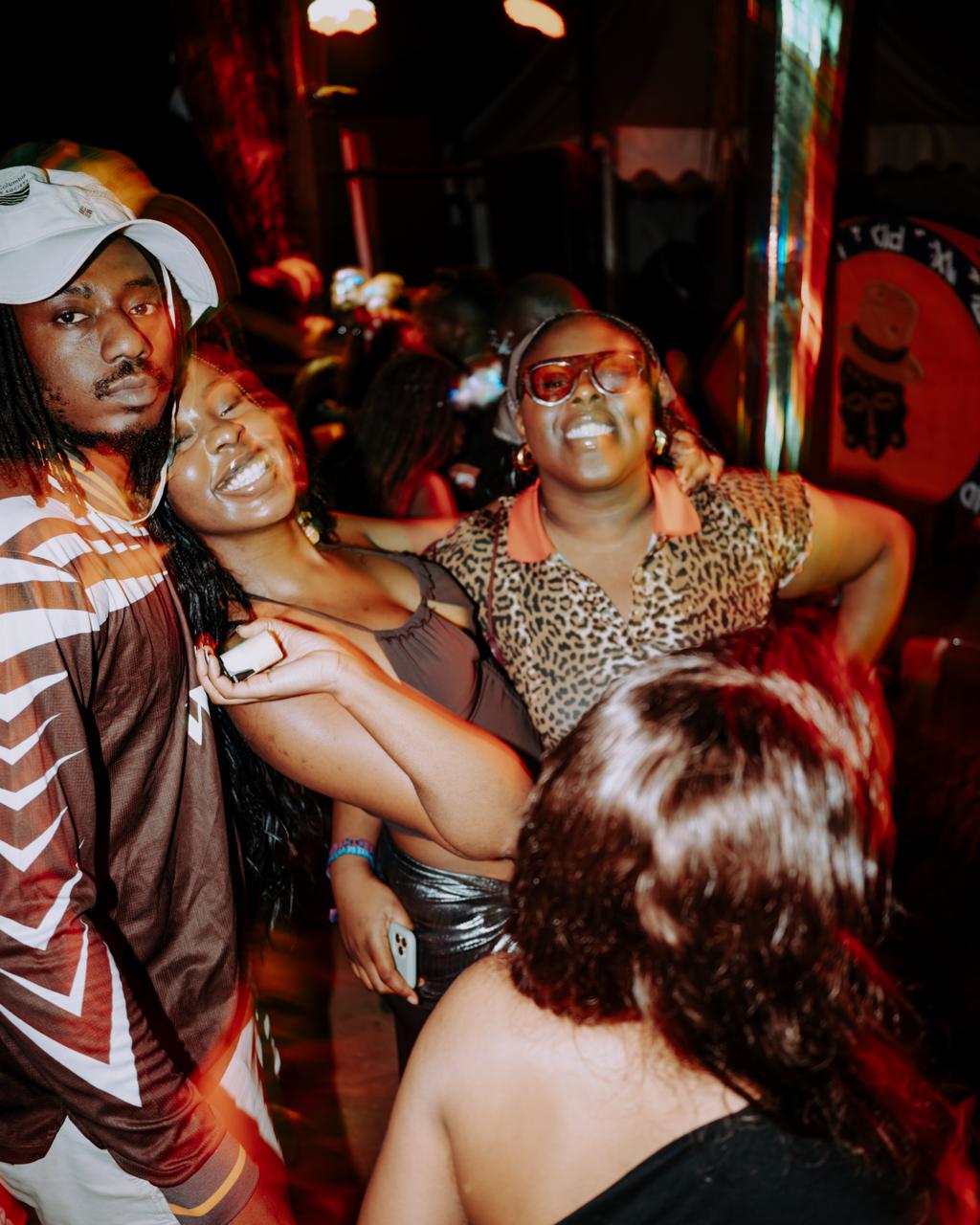
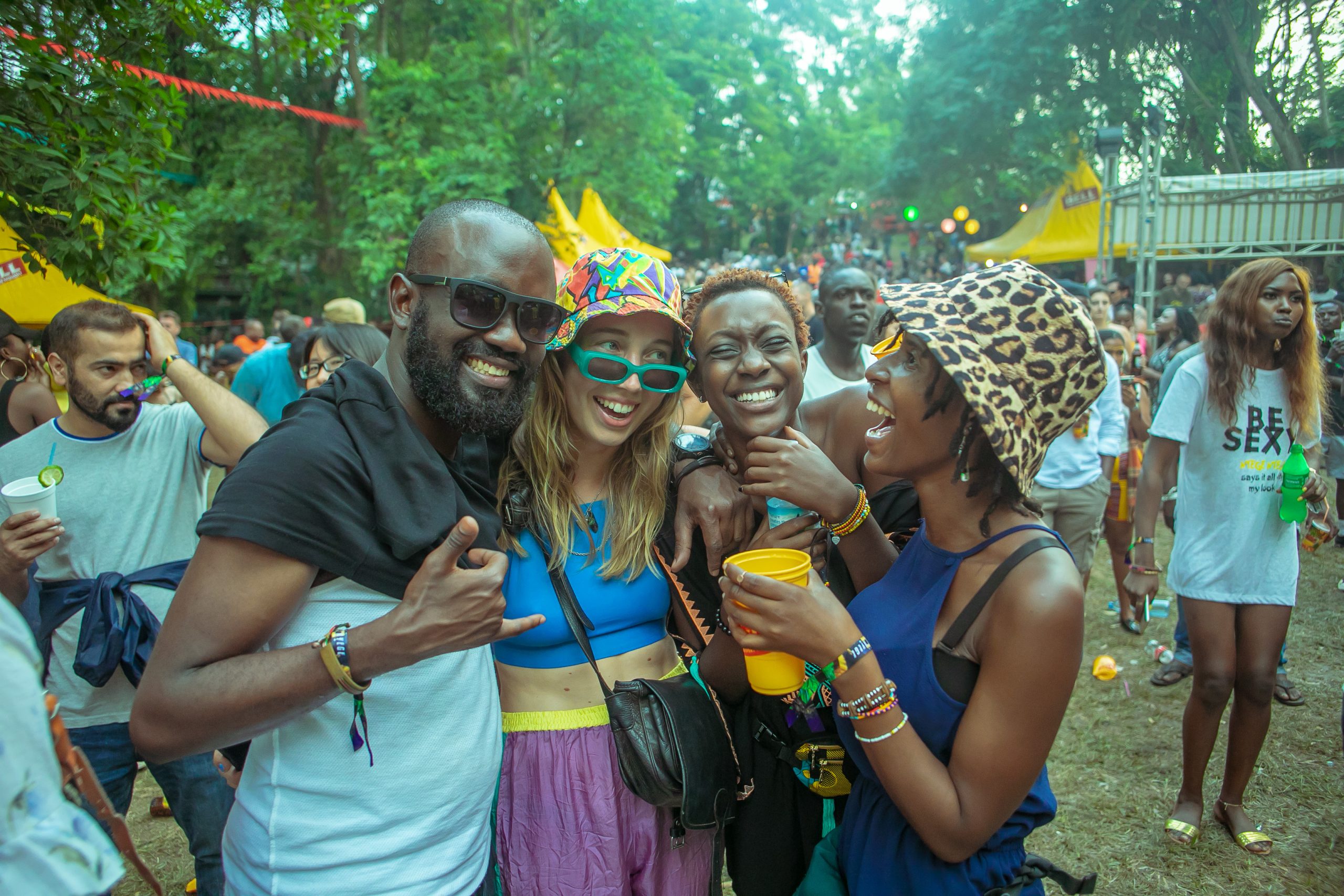
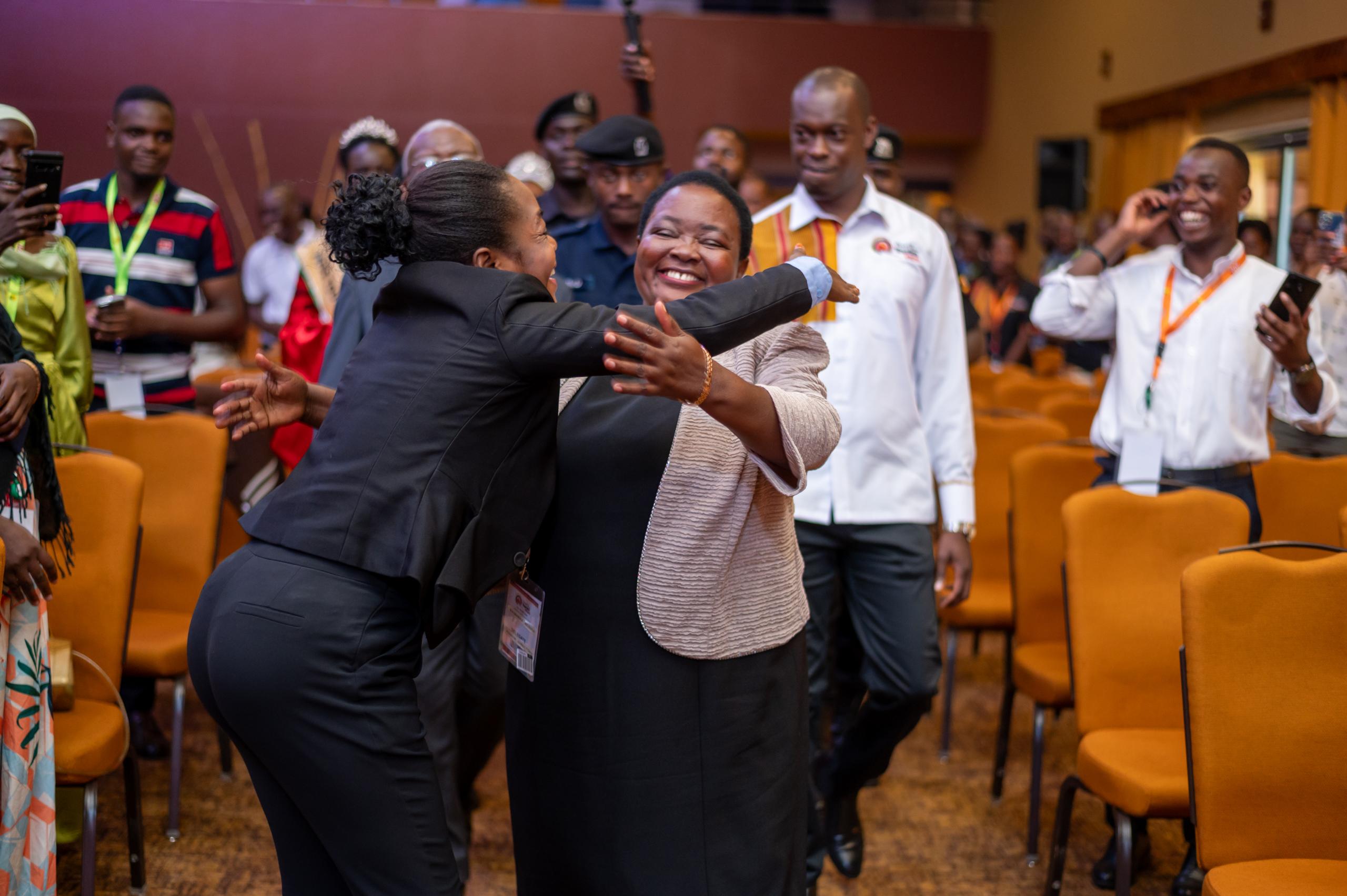
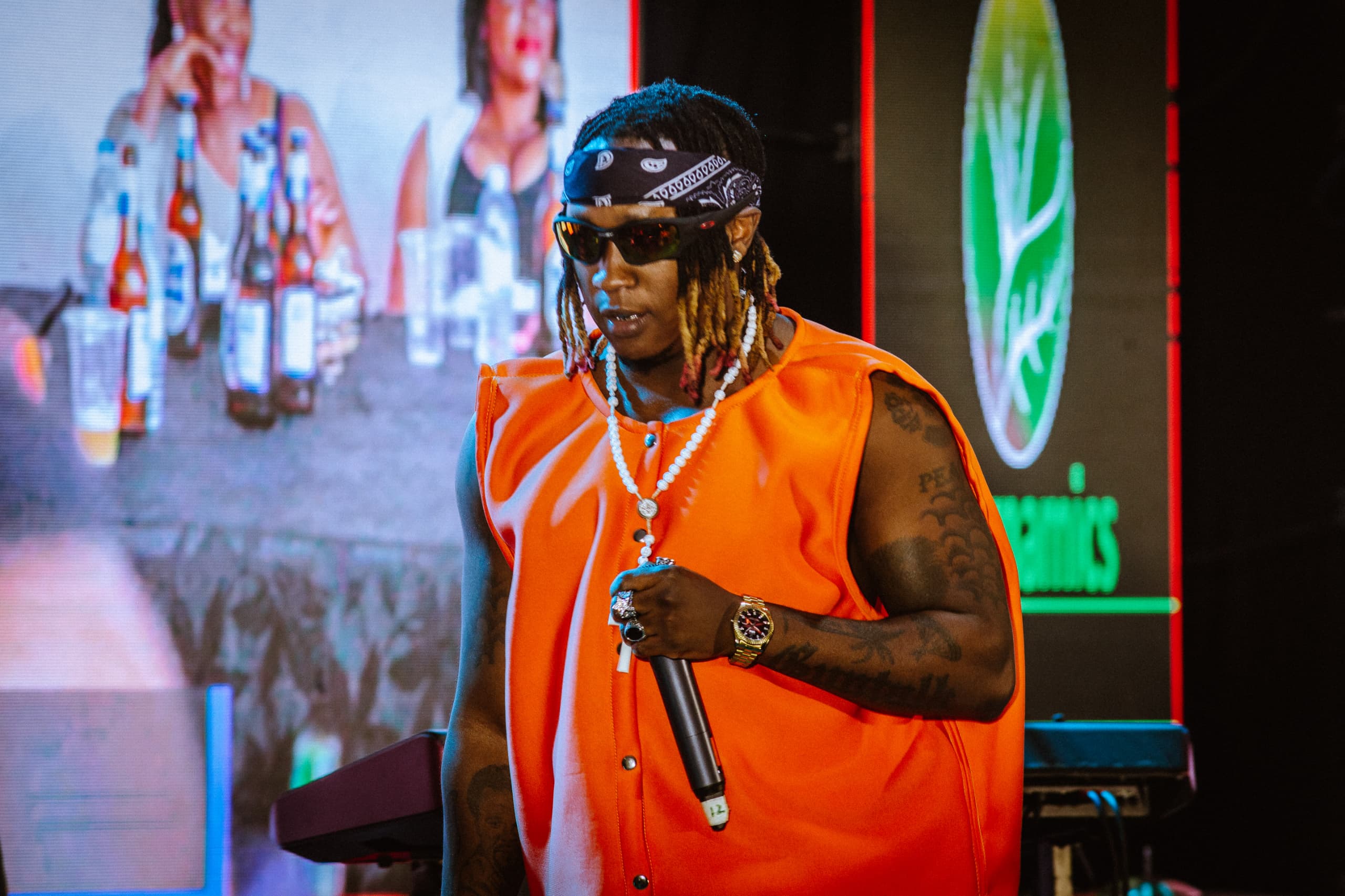
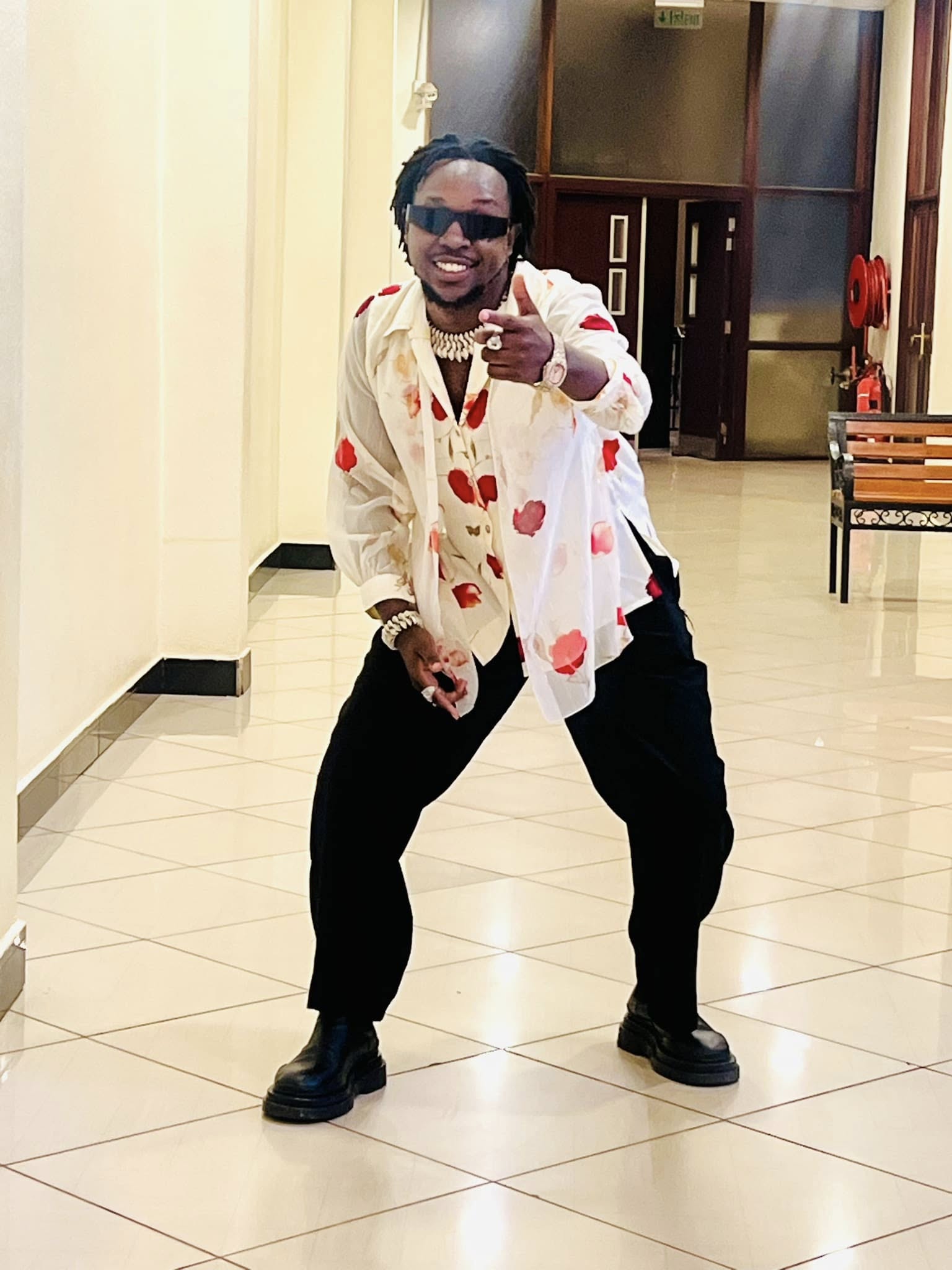
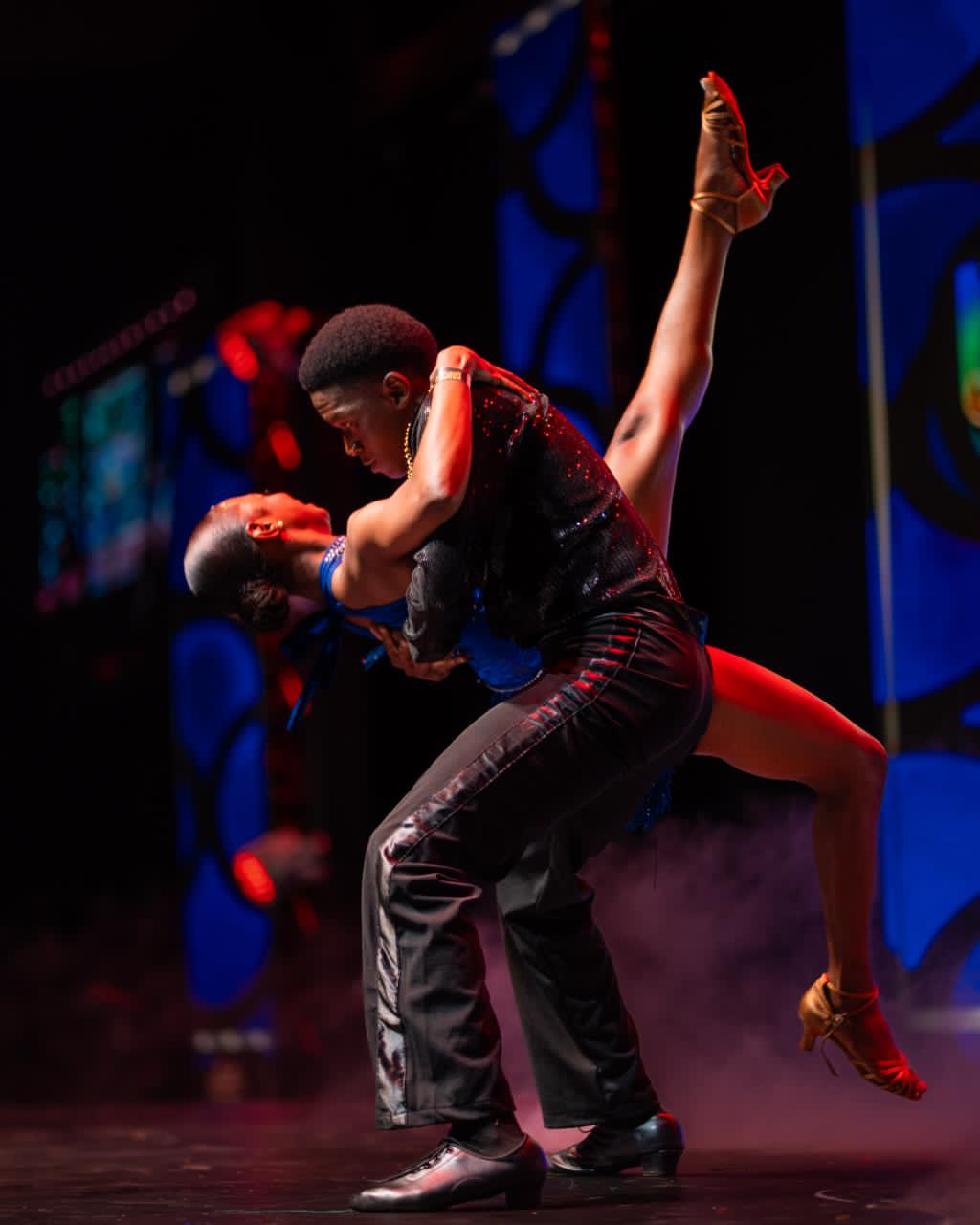
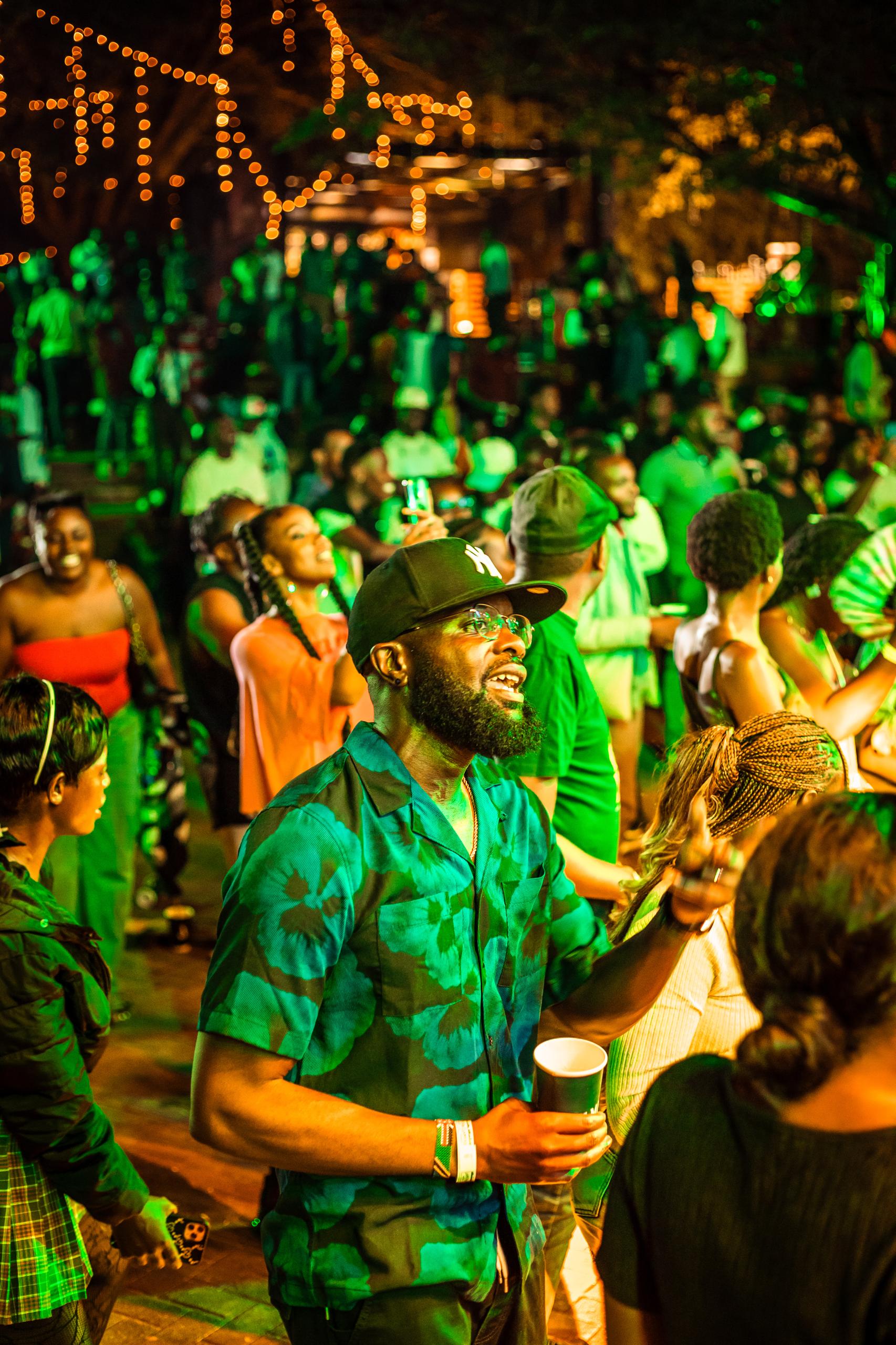
Uganda’s longest-surviving band, Afrigo Band, on Saturday night cemented its legendary status as it celebrated 50 years of music excellence with a stellar concert at the Millennium Grounds, Lugogo. Despite a steady evening drizzle that turned sections of the grounds muddy, thousands of fans thronged the venue, armed with umbrellas, raincoats, and even improvised polythene shoe covers.
The damp weather did little to deter the excitement—instead, it added a spirit of resilience and intimacy that has defined Afrigo’s journey for half a century.
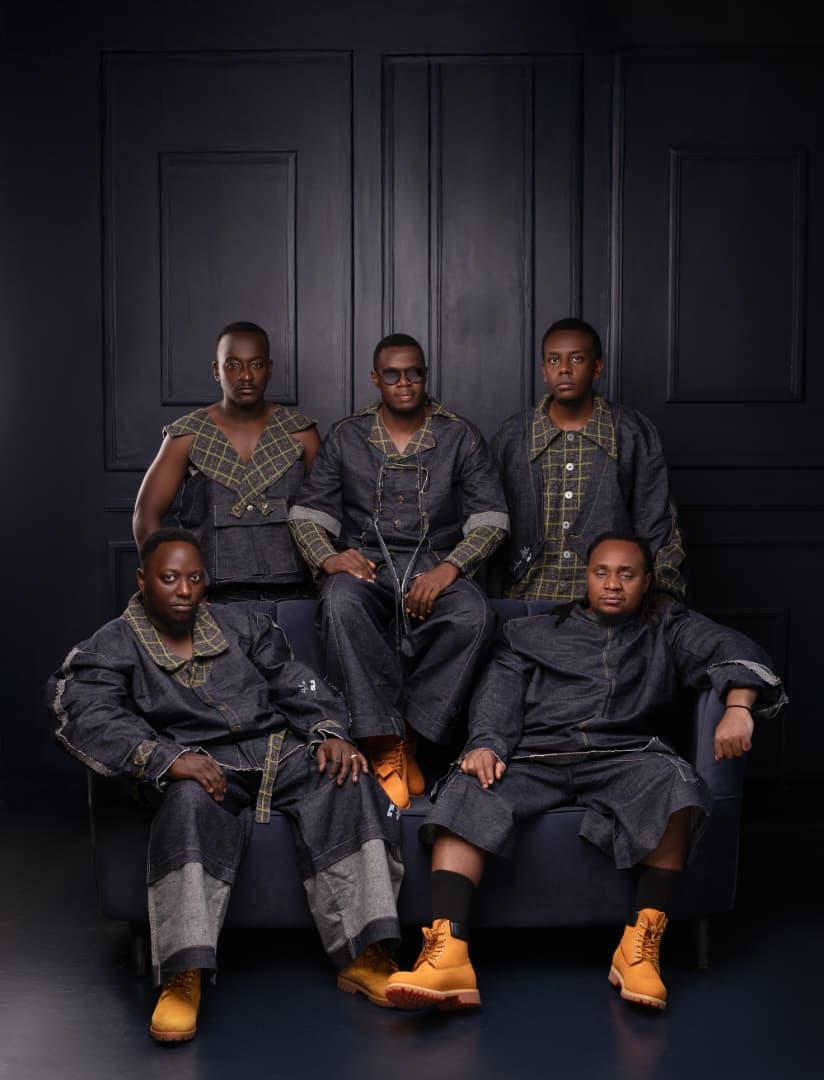
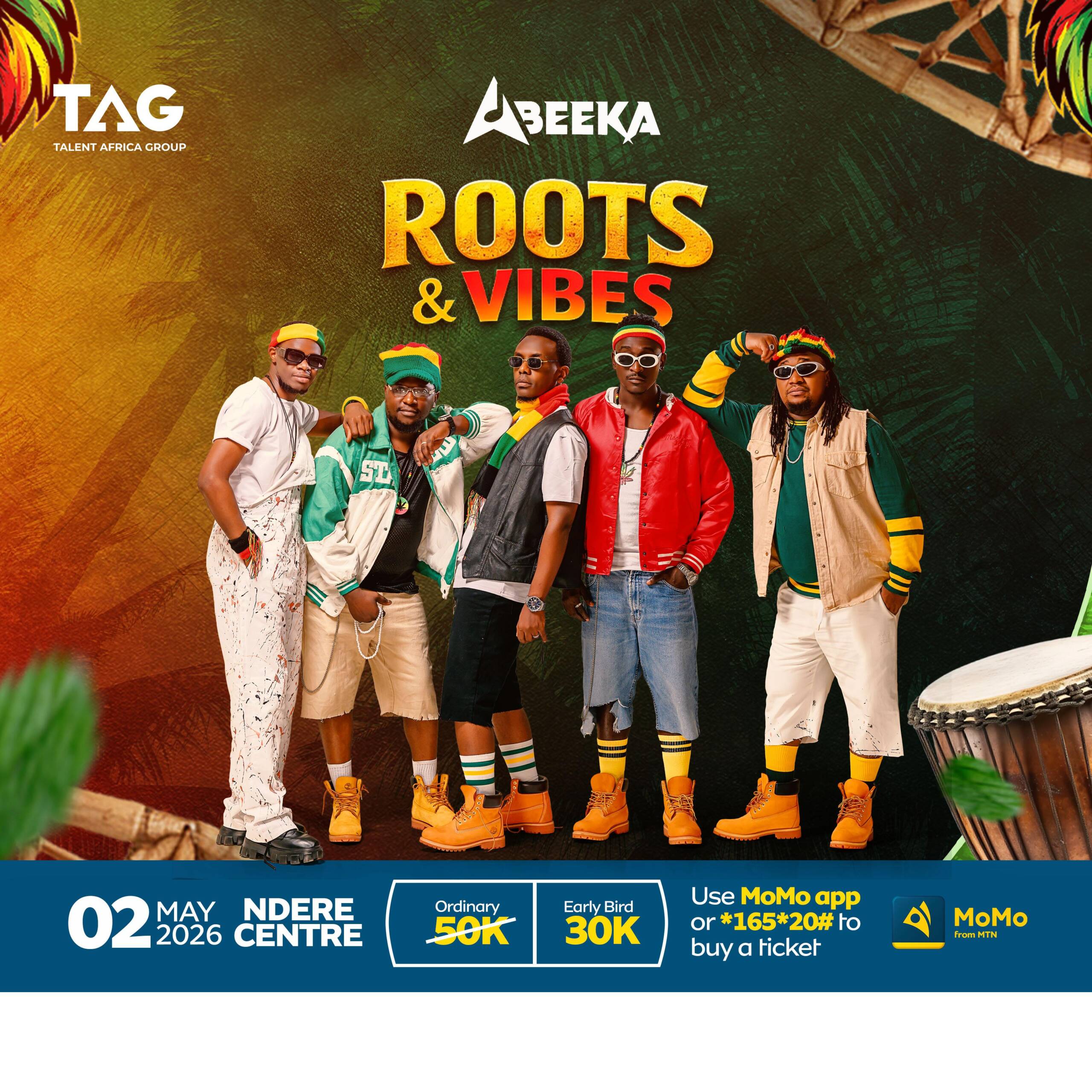
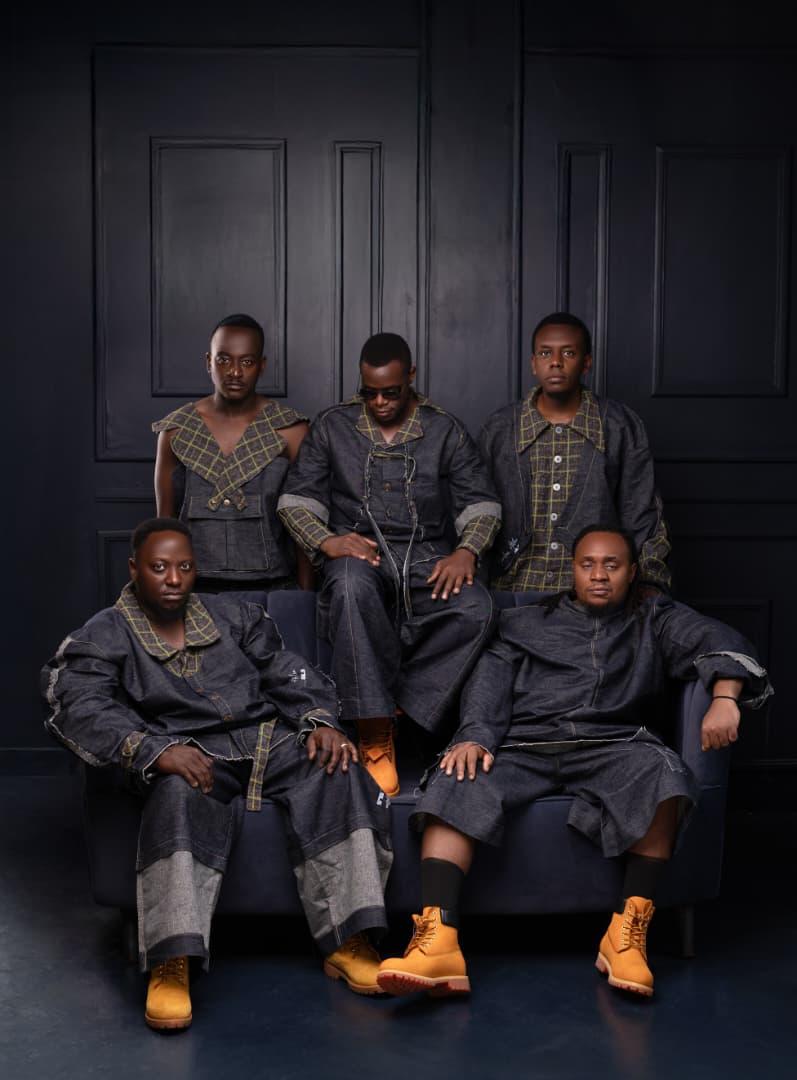
The night opened with a nostalgic set from Abeeka Band, who thrilled the mud-soaked audience with retro classics, keeping spirits high before Afrigo’s historic entrance. By 9:30pm, TV host Douglas Lwanga took over emceeing duties, while the DJ kept the tempo soaring with old-school grooves that set the tone for the main act.
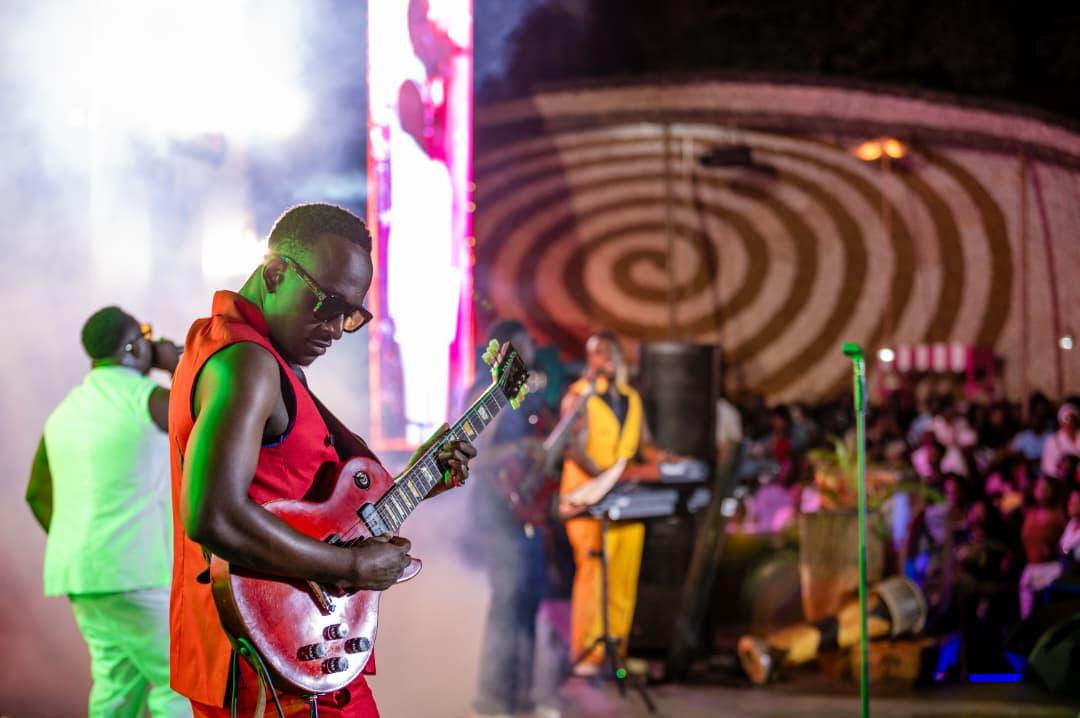
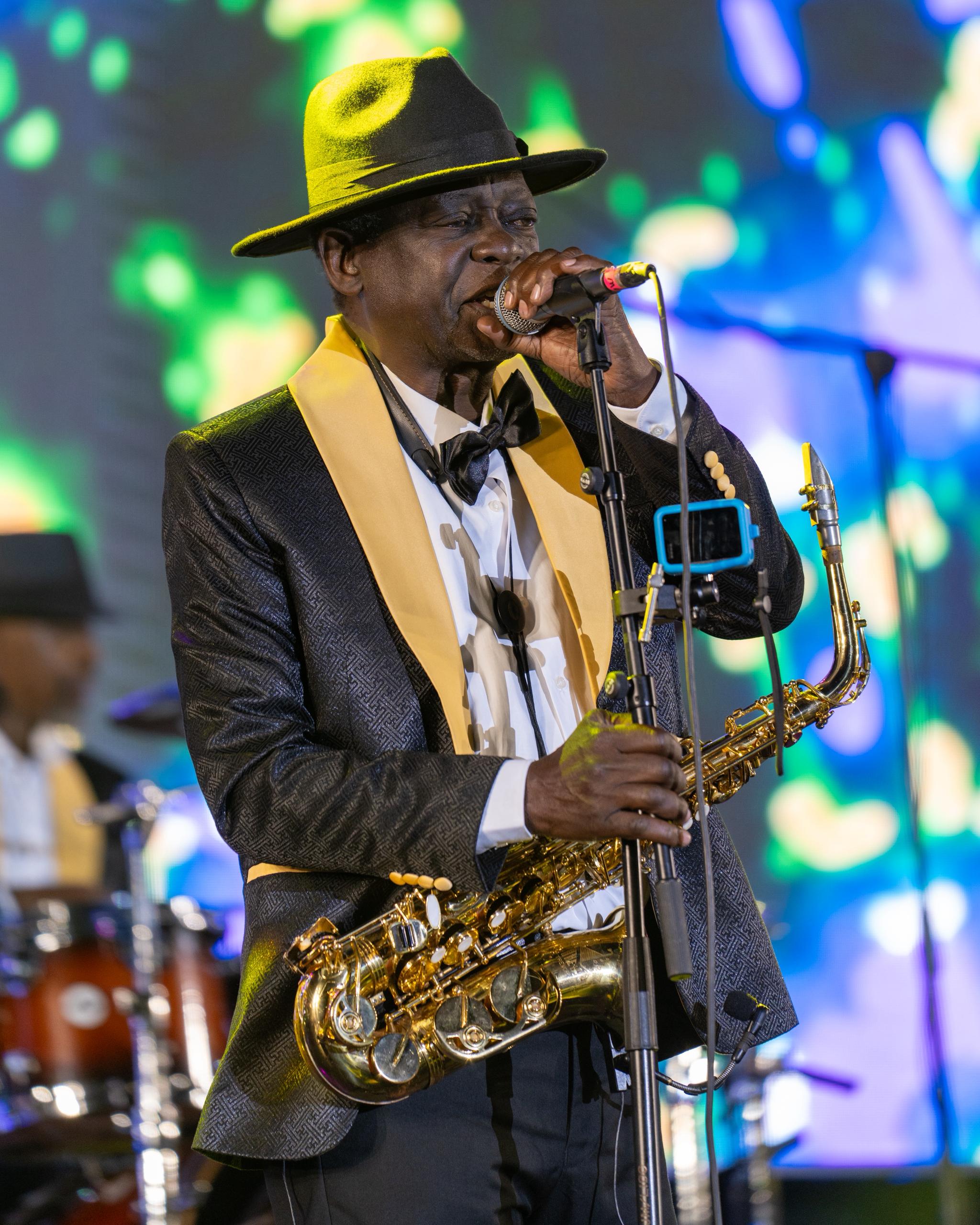
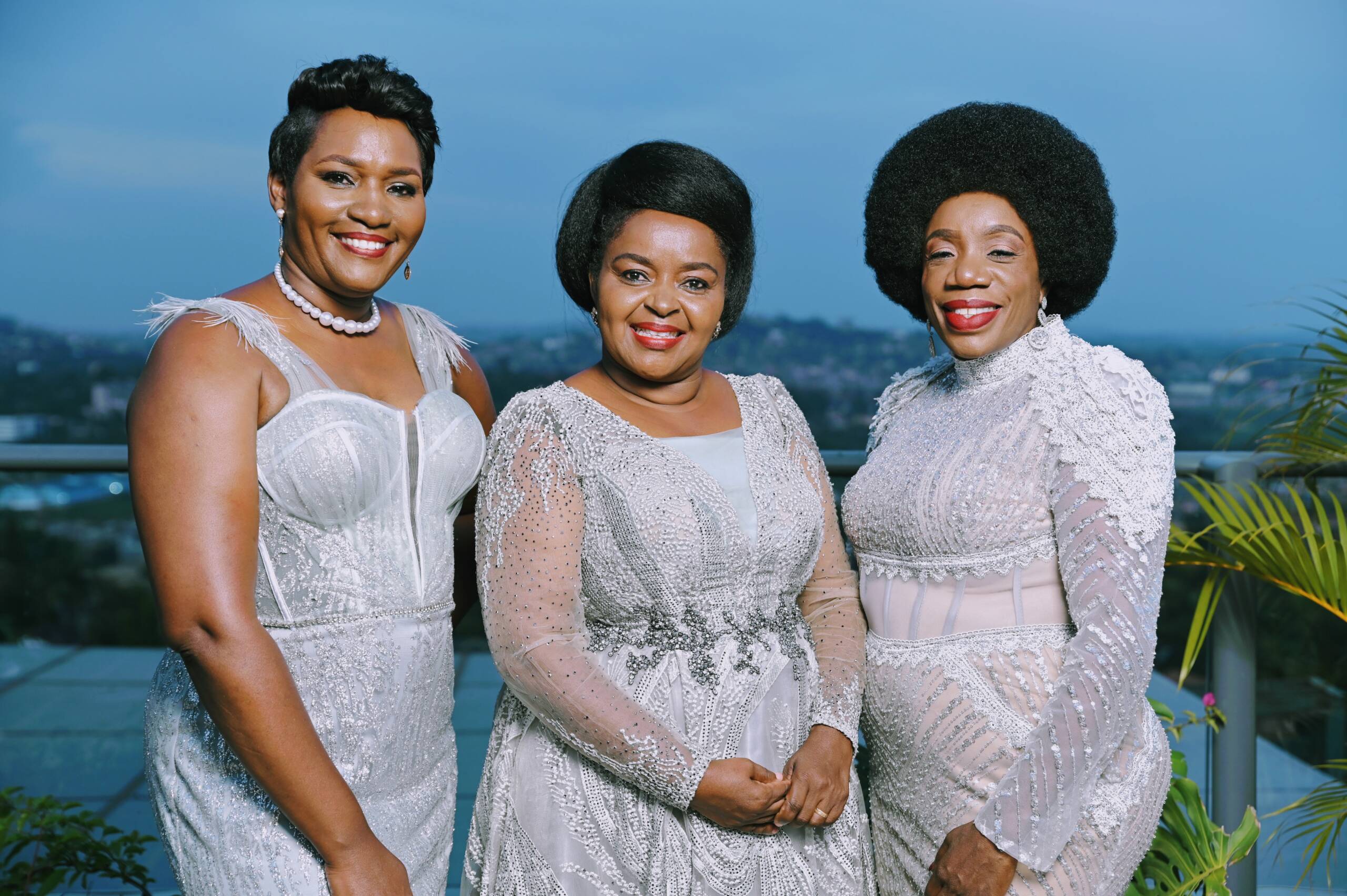
At exactly 10:00pm, Afrigo’s stalwarts—Moses Matovu, Racheal Magoola, Joanita Kawalya, Charles Busuulwa, Frank Mbalire, Herman Ssewanyana, Sarah Namulondo, among others—stepped on stage in elegant black-and-gold attire to a thunderous ovation. Though the sound mix wavered initially, it soon stabilized, and the crowd was carried away by Afrigo’s timeless catalogue.
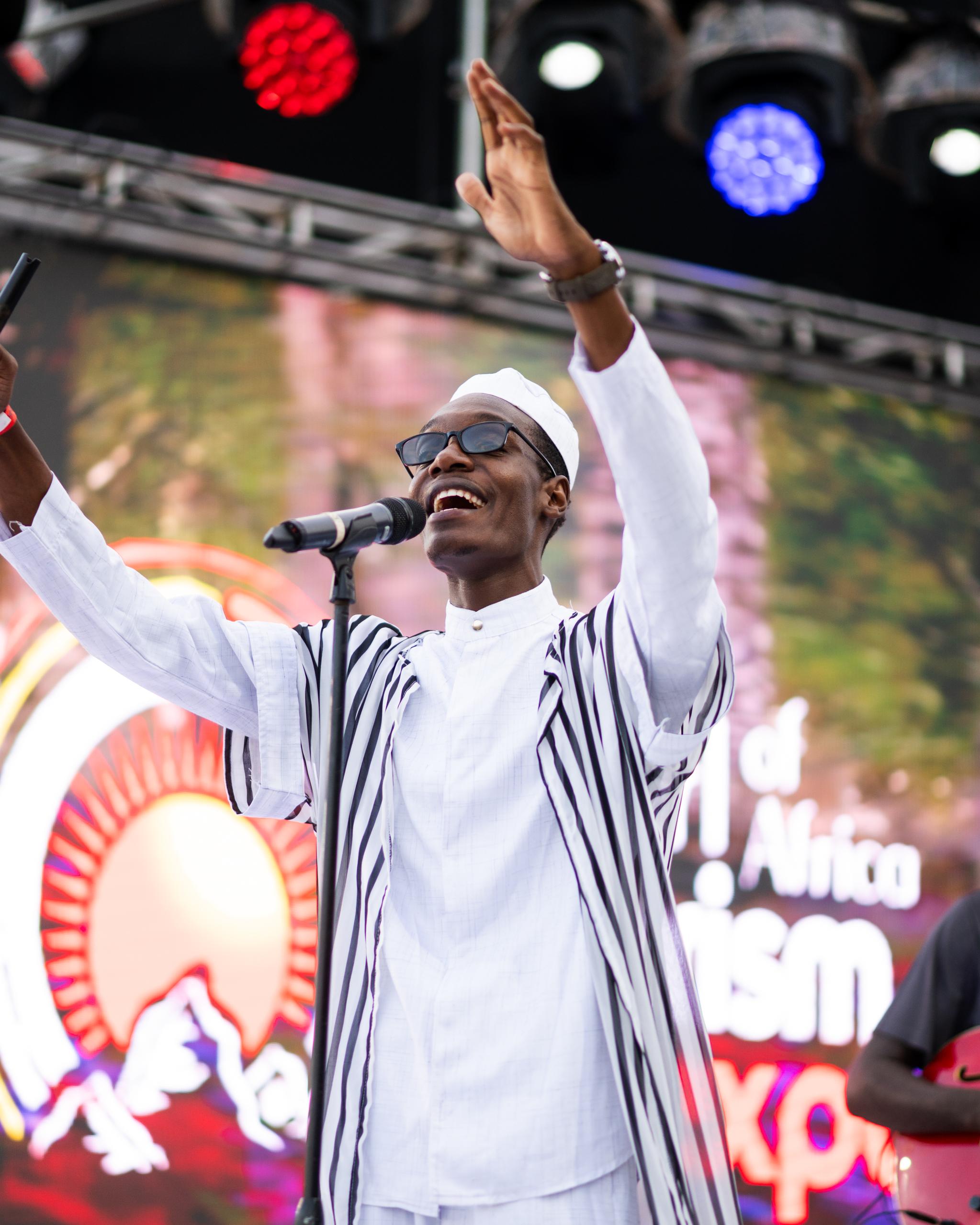
Fans danced and sang along to classics such as Jim (performed by Kawalya), Emaali and Obangaina (by Magoola), Amazzi G’enyama, Nantongo, and the evergreen Afrigo Batuuse. Each performance stirred waves of nostalgia, reminding Ugandans why Afrigo’s music has remained a cultural soundtrack across generations.
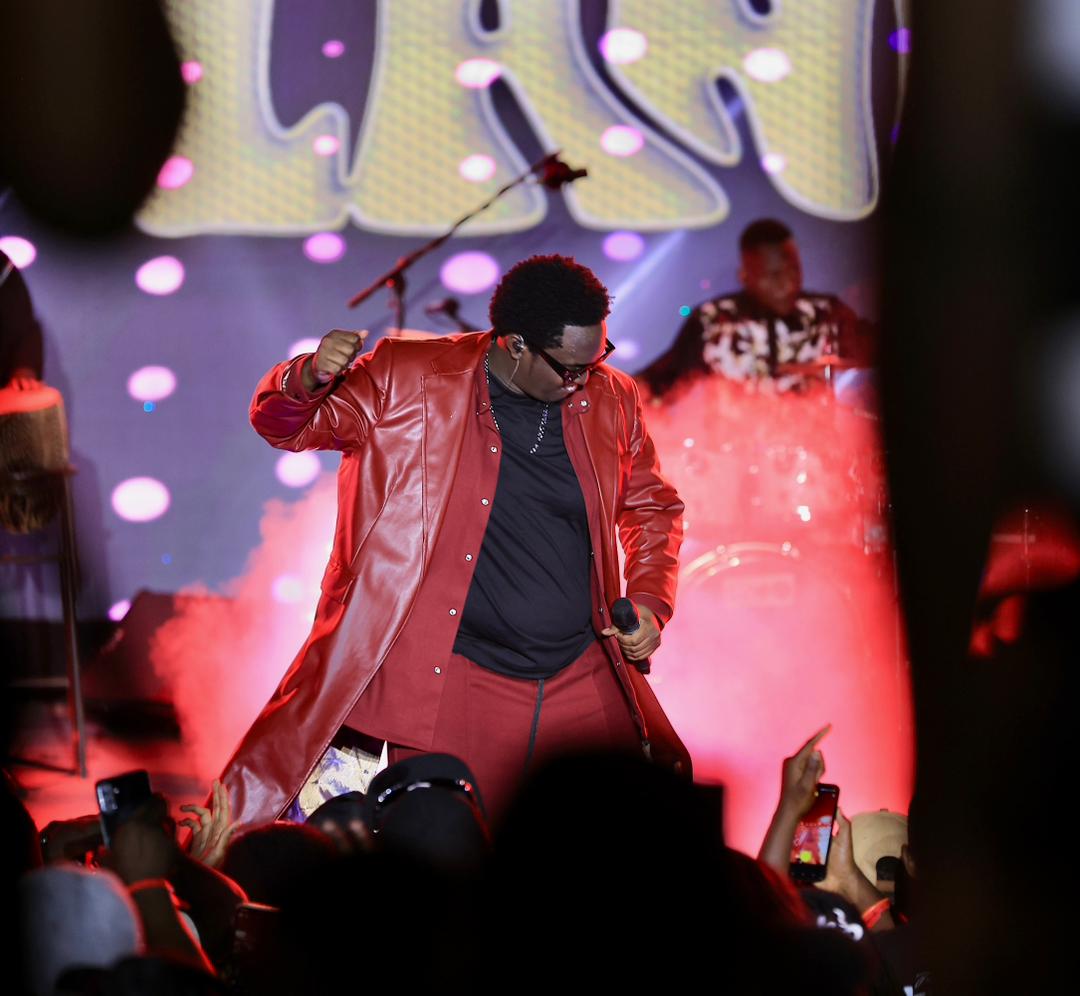
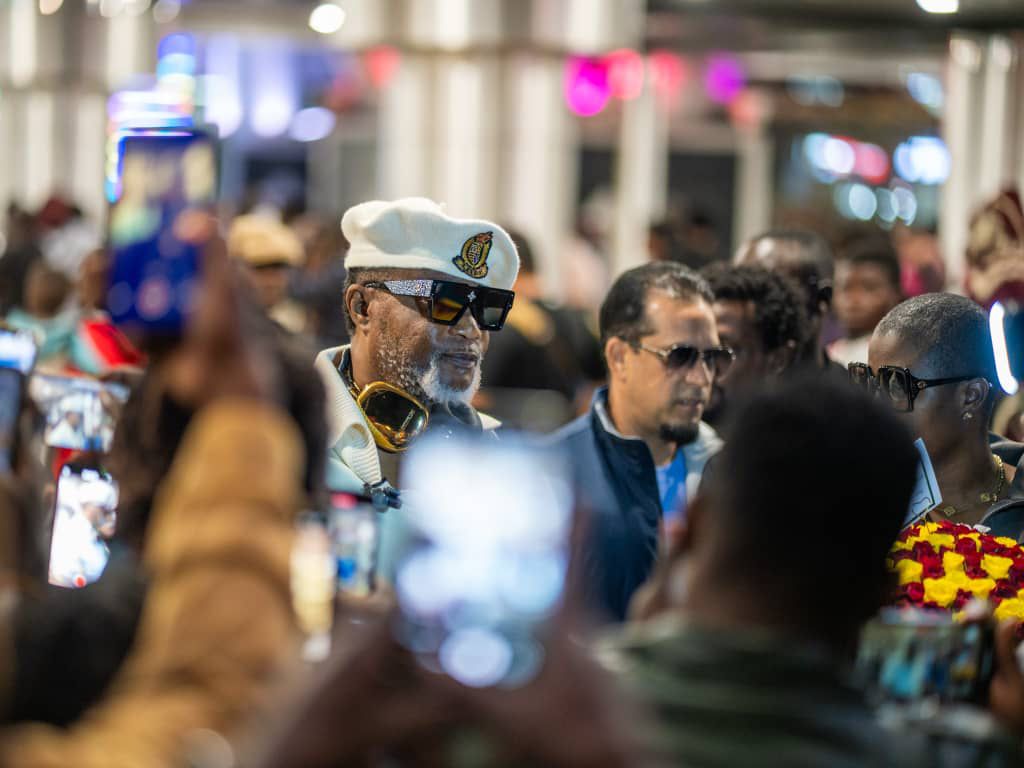
The biggest highlight of the evening came when Congolese superstar Koffi Olomide stormed the stage in his flamboyant signature style.

The King of Tcha Tcho electrified the audience with hits like Loi, Papa Ngwasuma, and Ekotite, before joining Afrigo for a rare, once-in-a-lifetime collaboration. Notably, the sound quality dramatically improved when Olomide’s backline took over—a testament to Congolese mastery of live sound.
Afrigo’s band leader Moses Matovu hailed the night as a milestone not only for the group but also for Uganda’s music lovers who have supported them through decades of change. Koffi Olomide, paying tribute to Afrigo, described their longevity as “a remarkable achievement that many aspire to but few attain.”

By the time the last notes faded into the Kampala night, the rain was long forgotten. What remained was pure euphoria—thousands of voices singing, dancing, and celebrating history in unison.
This was more than an anniversary concert—it was a coronation of legacy. A golden reminder that Afrigo Band is not just Uganda’s oldest band, but a cultural institution, an eternal rhythm etched into the soul of the nation.