By Devosh Matovu
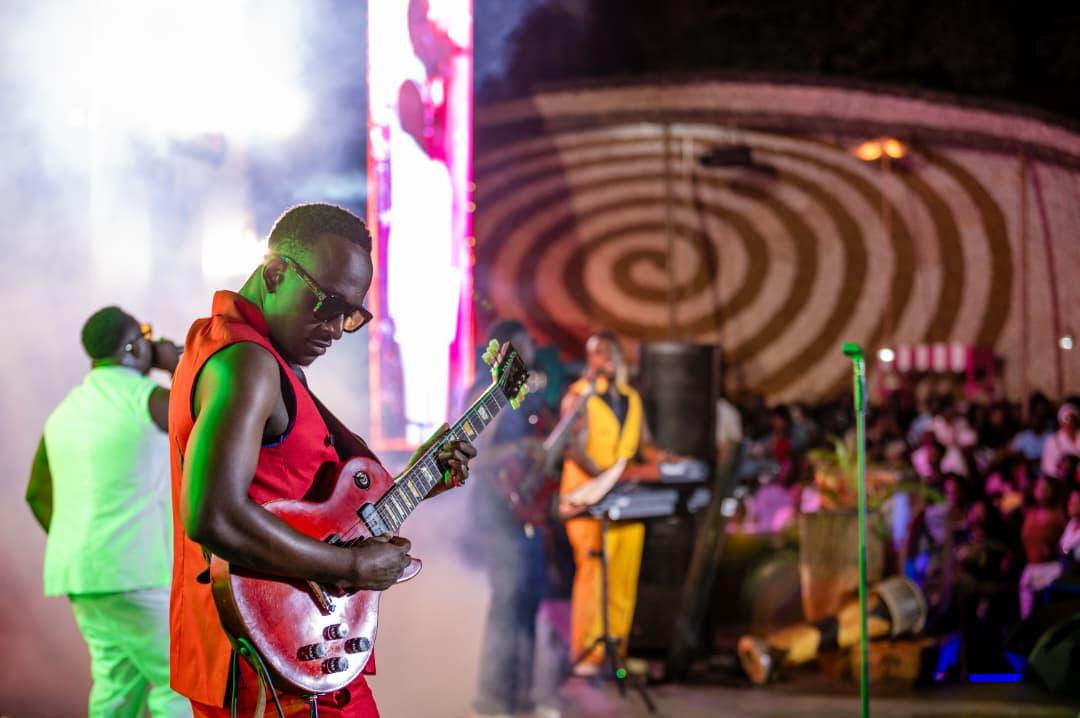
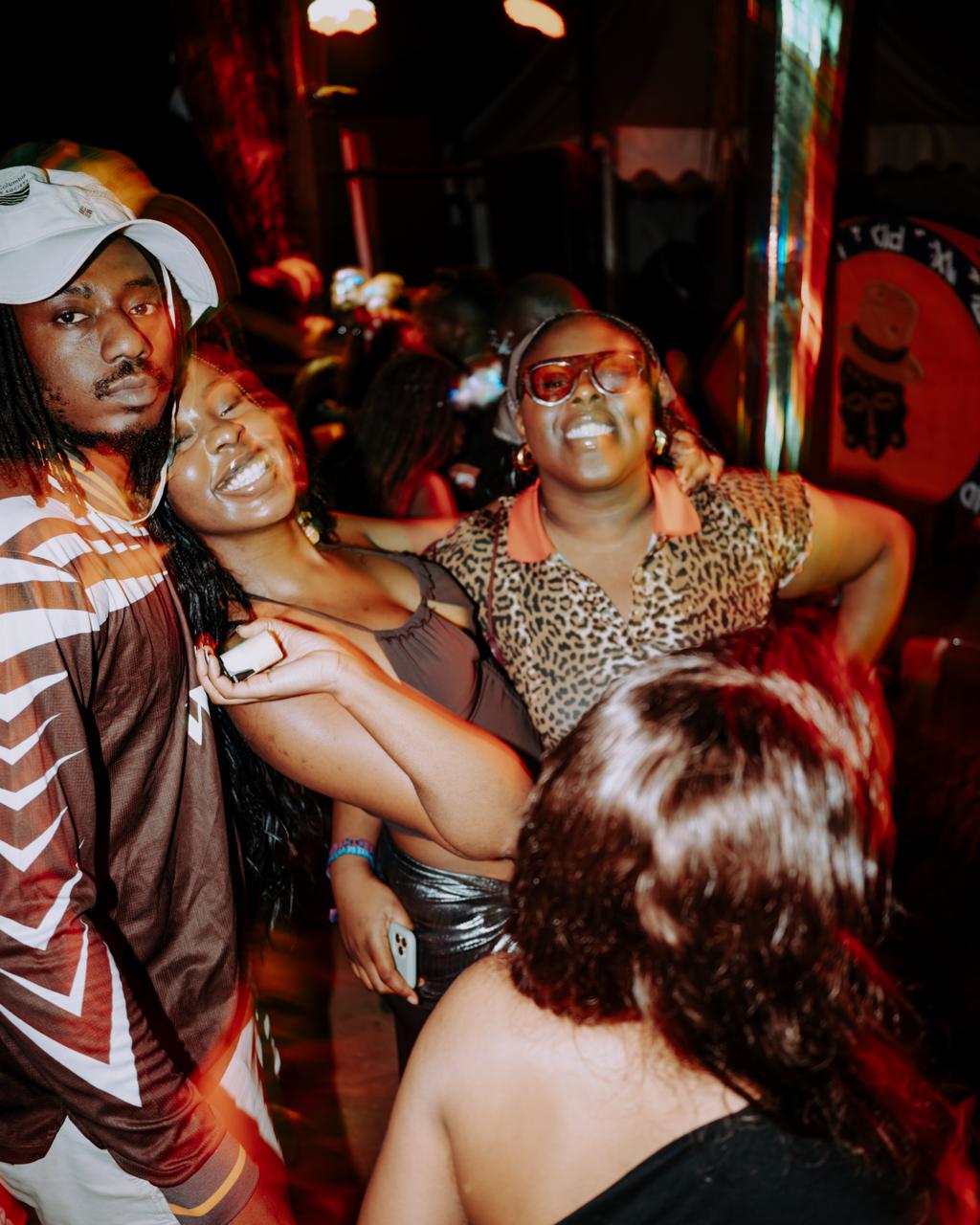
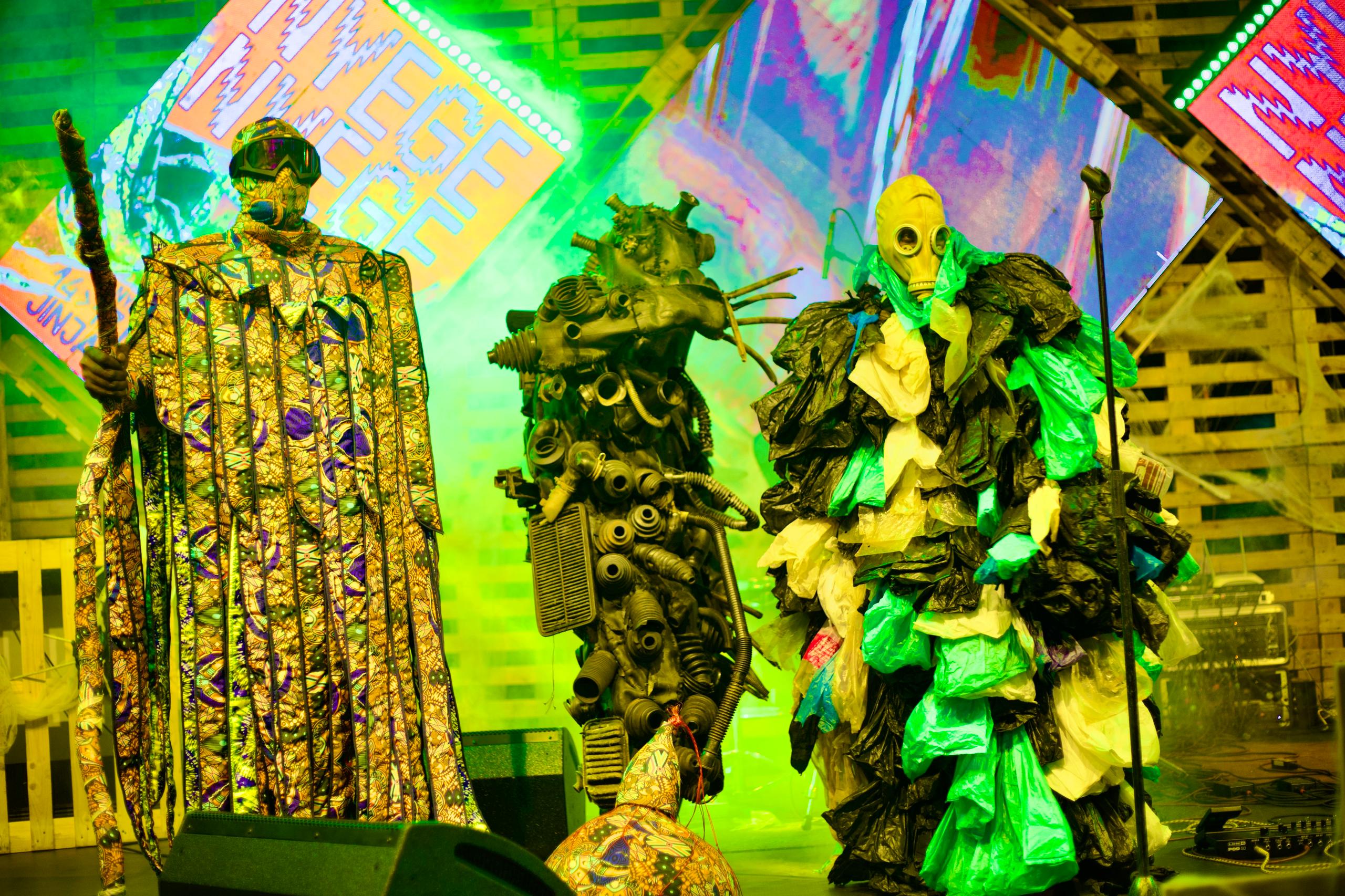
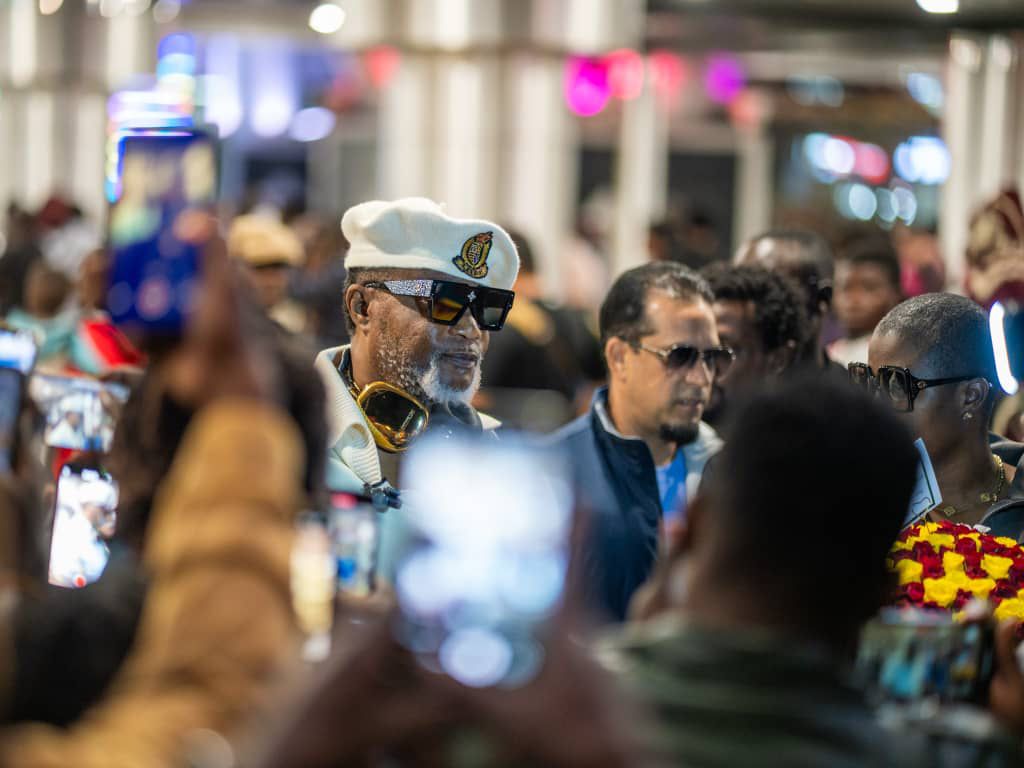
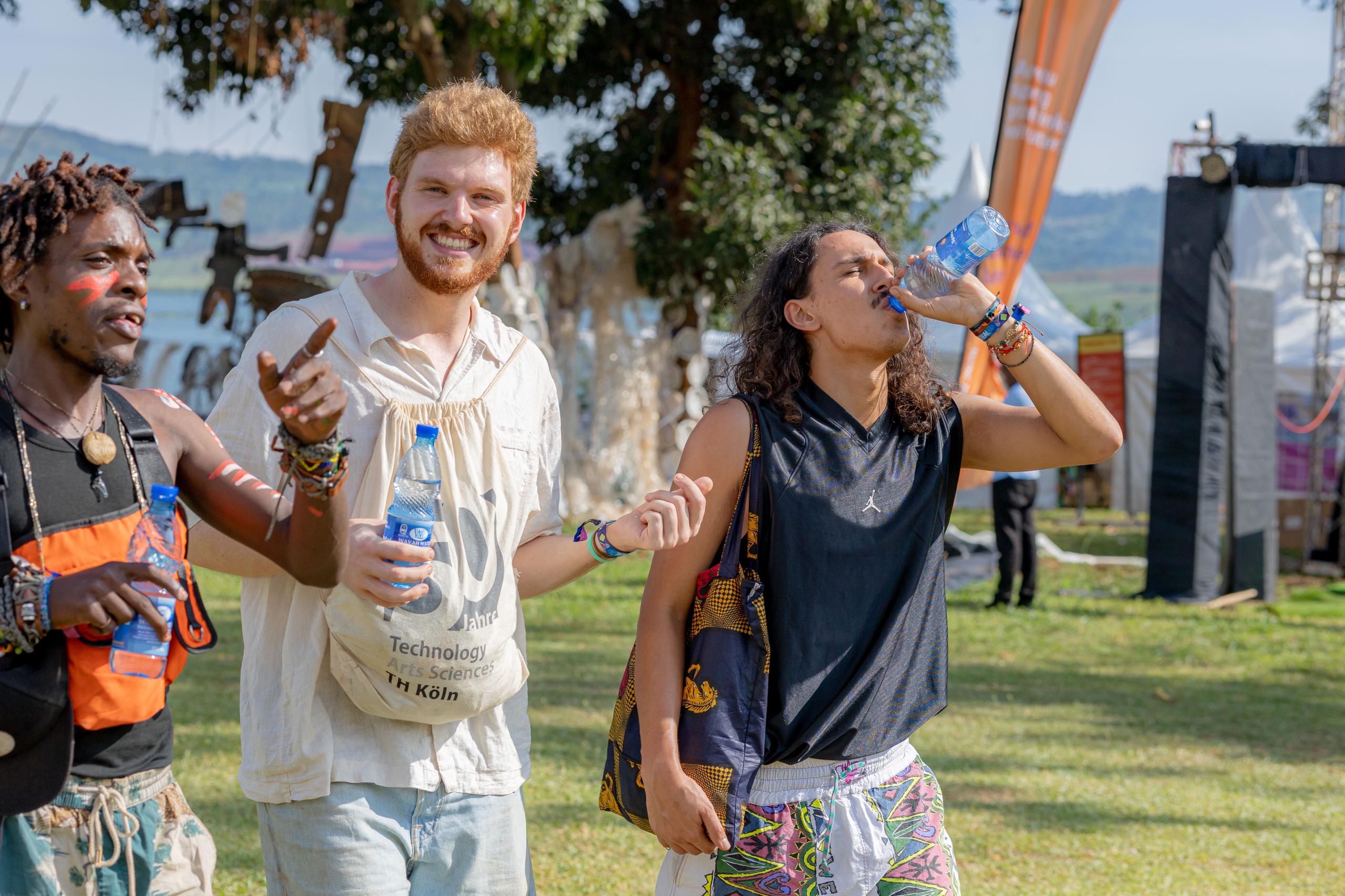
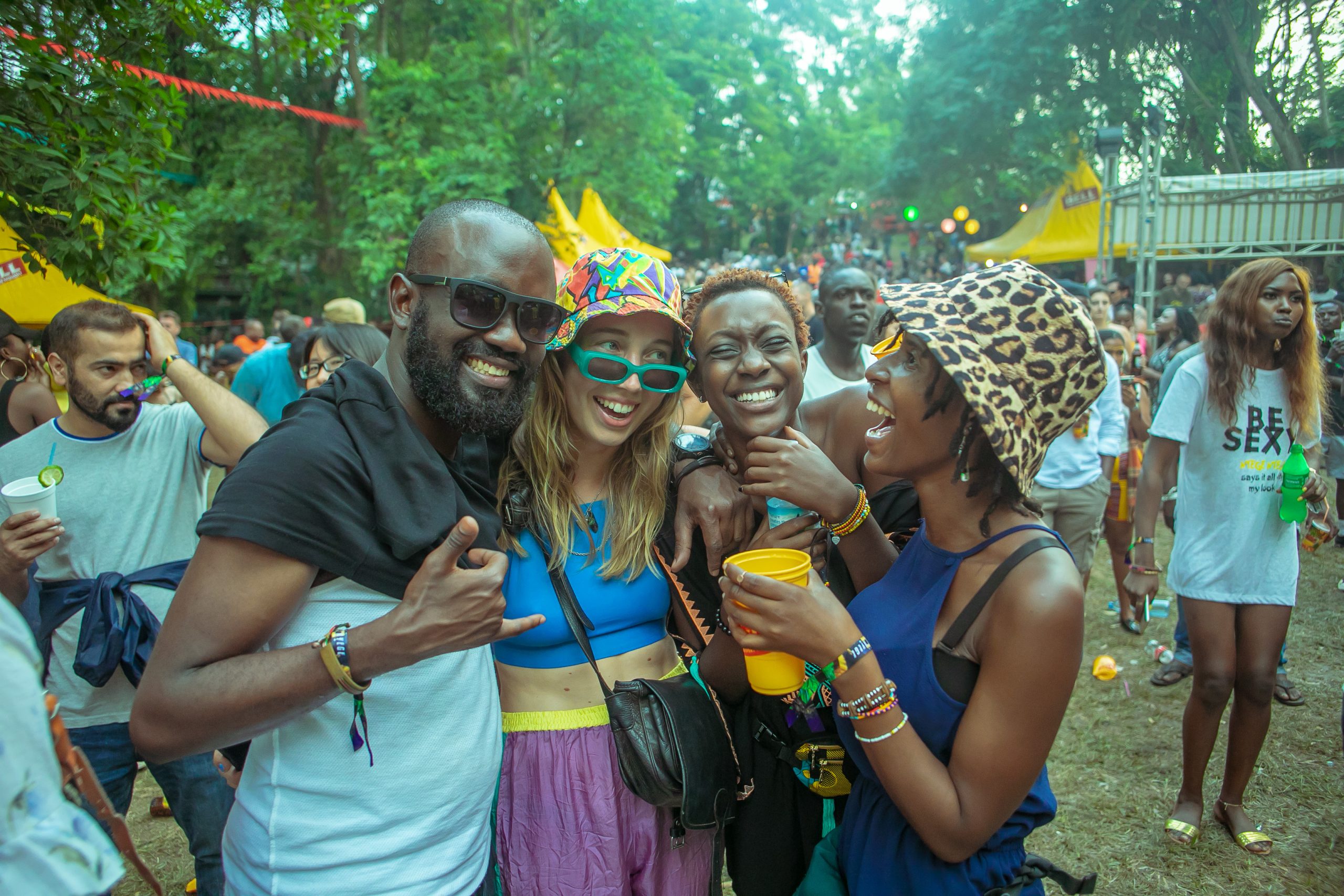
The 10th edition of Nyege Nyege Festival kicks off its most active day today at its new home, Adrift Overland Camp & River Club, a dramatic location suspended above the roaring Kalagala Falls. Scheduled for November 20–23, this year’s festival marks a decade of one of Uganda’s most influential cultural events — one that has evolved significantly from its early identity.
A Shift From Underground to Mainstream
When the festival debuted in 2015, Nyege Nyege was a niche gathering dedicated to electronic genres such as gqom, techno, gabber and other experimental sounds. Its earliest editions ran from Thursday deep into Monday, delivering unmatched energy and non-stop performances that defined the festival’s underground reputation.

However, as Nyege Nyege grew in popularity, the organisers gradually adapted to a more mainstream Ugandan audience. Over the years, the programming expanded beyond its experimental roots. By 2019, the shift had become more pronounced.
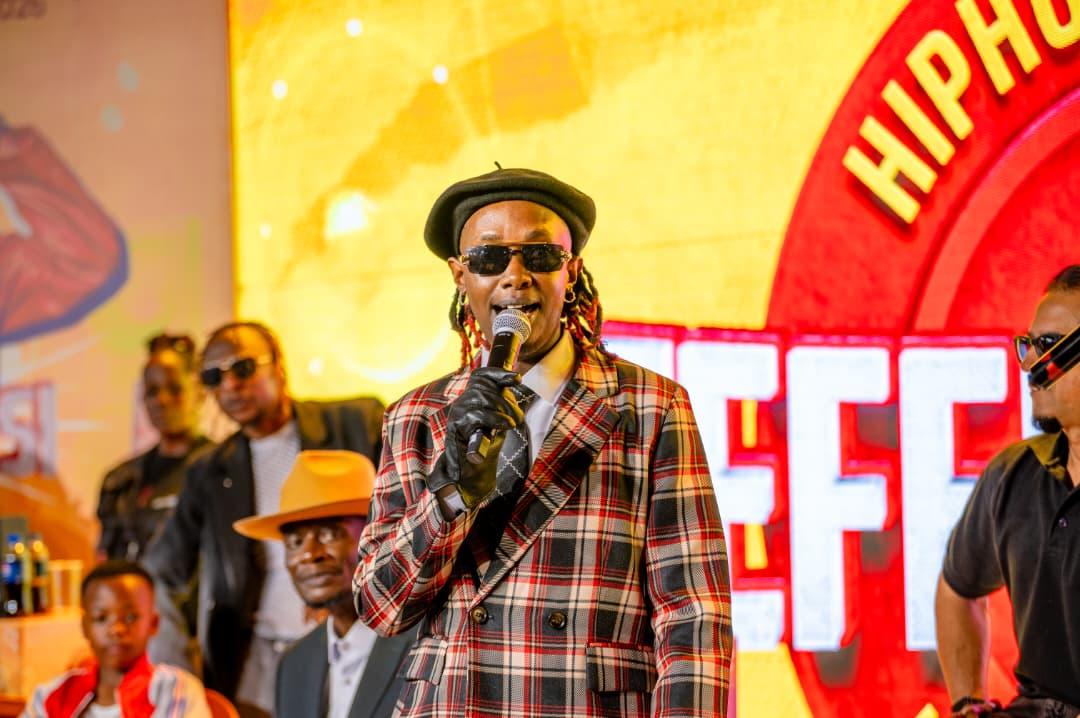
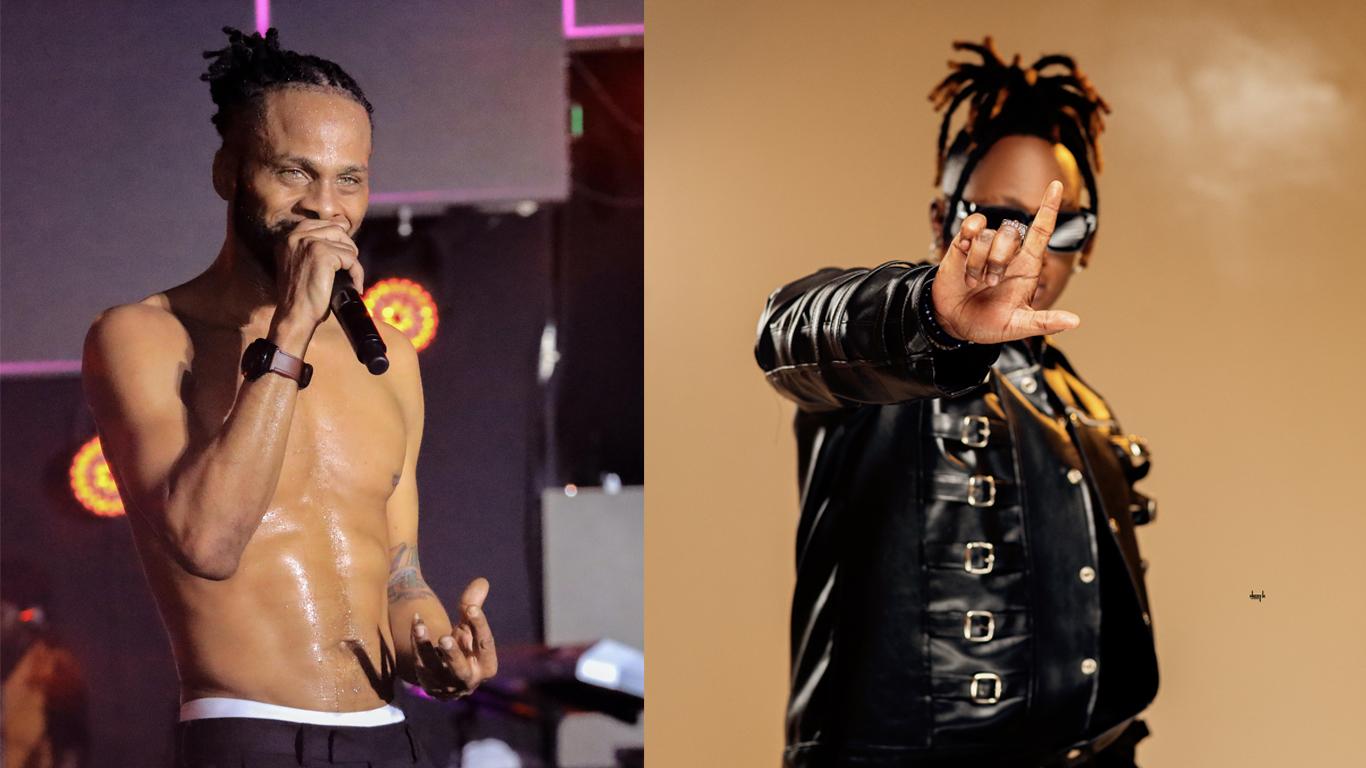
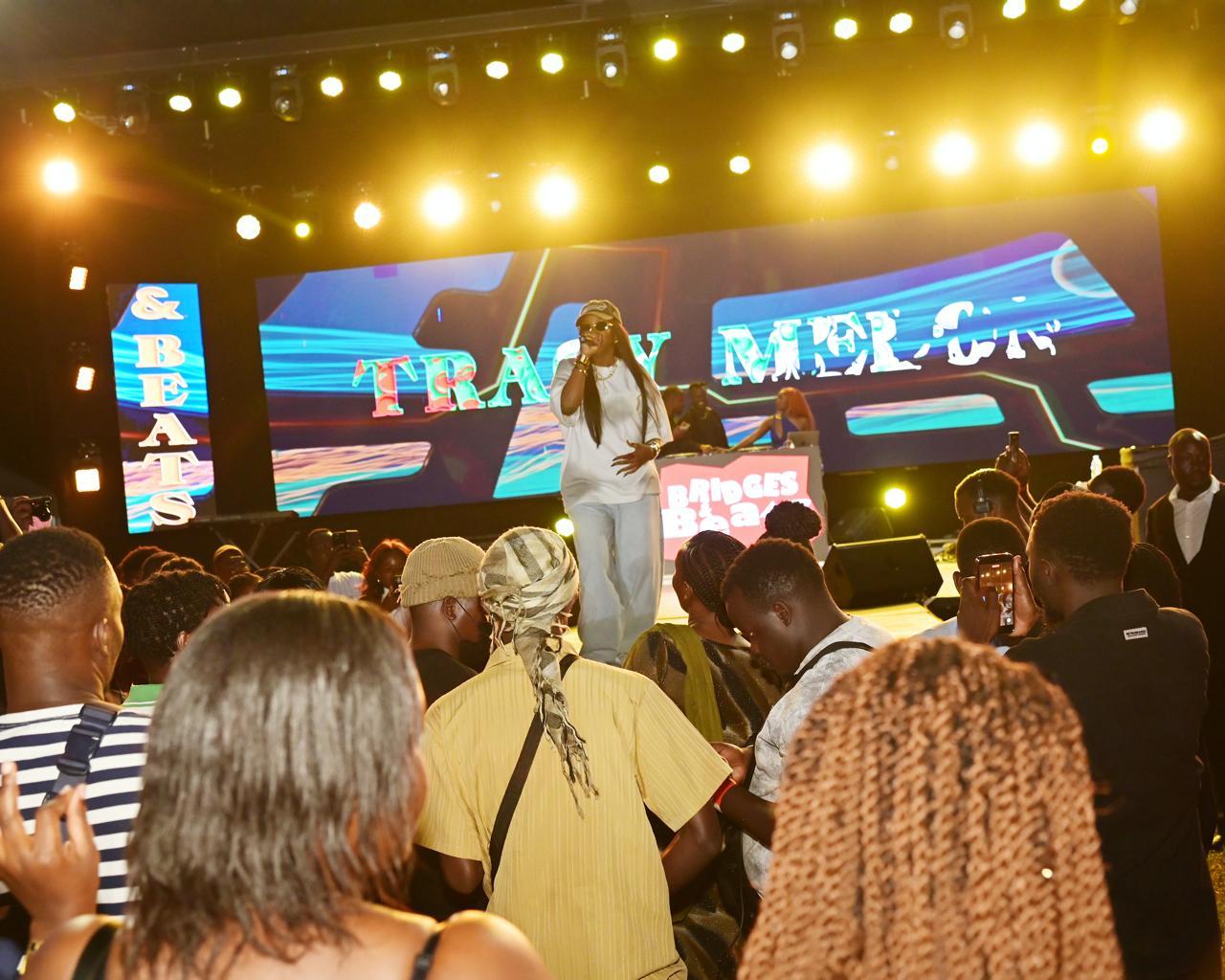
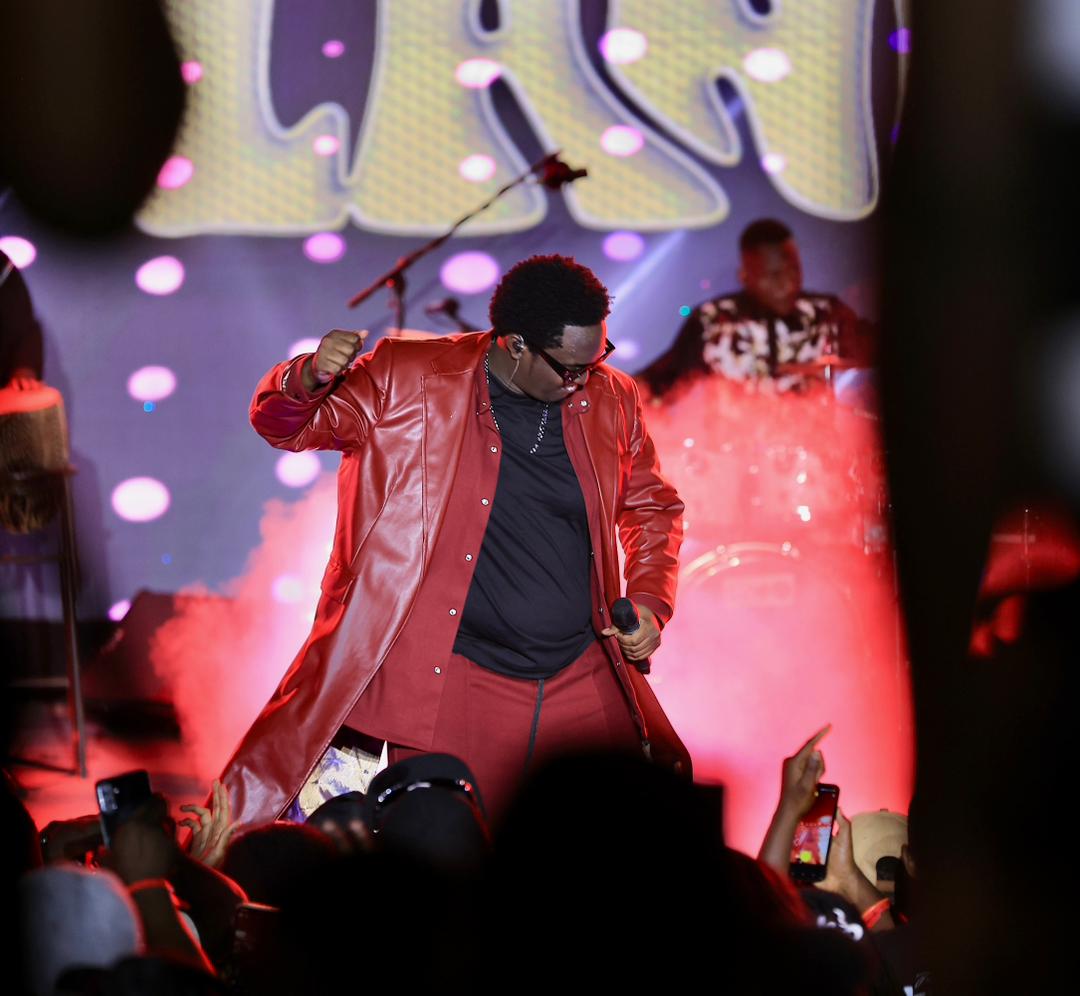
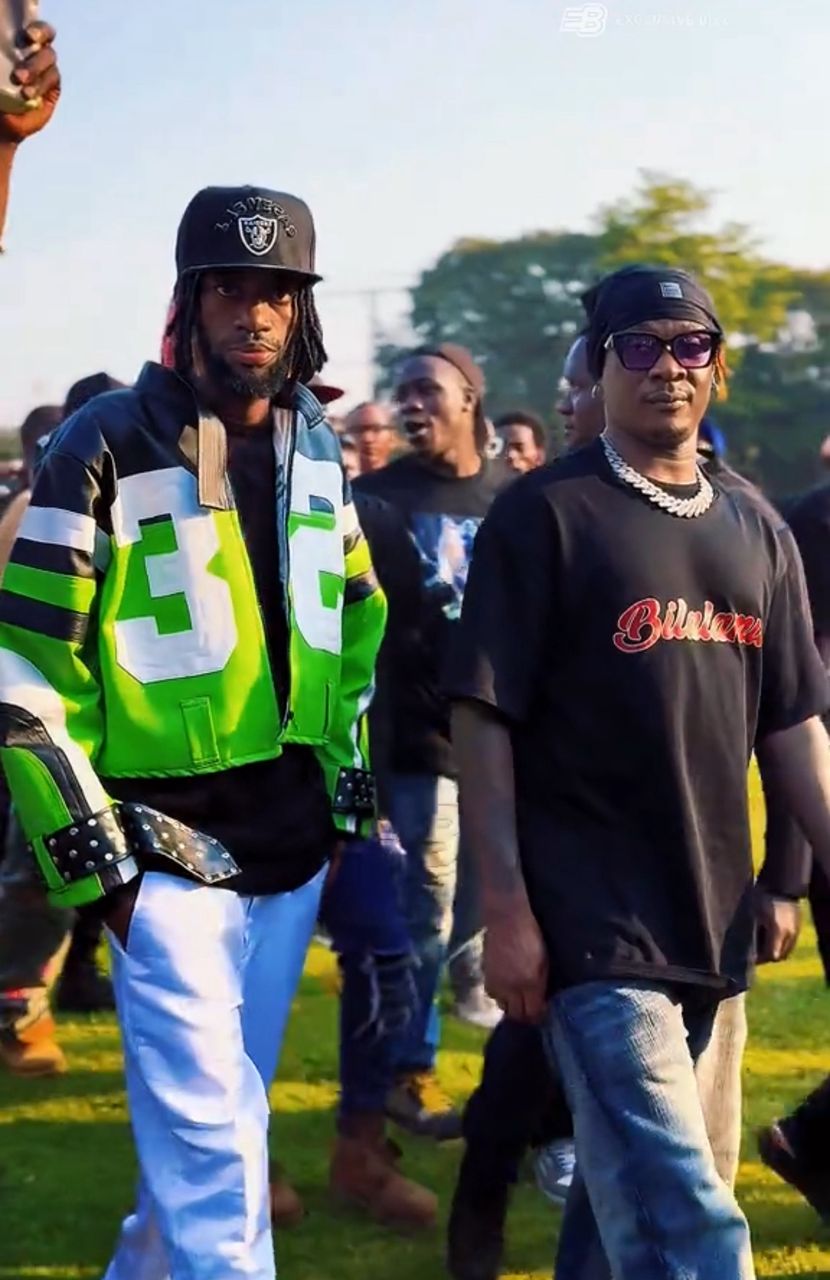
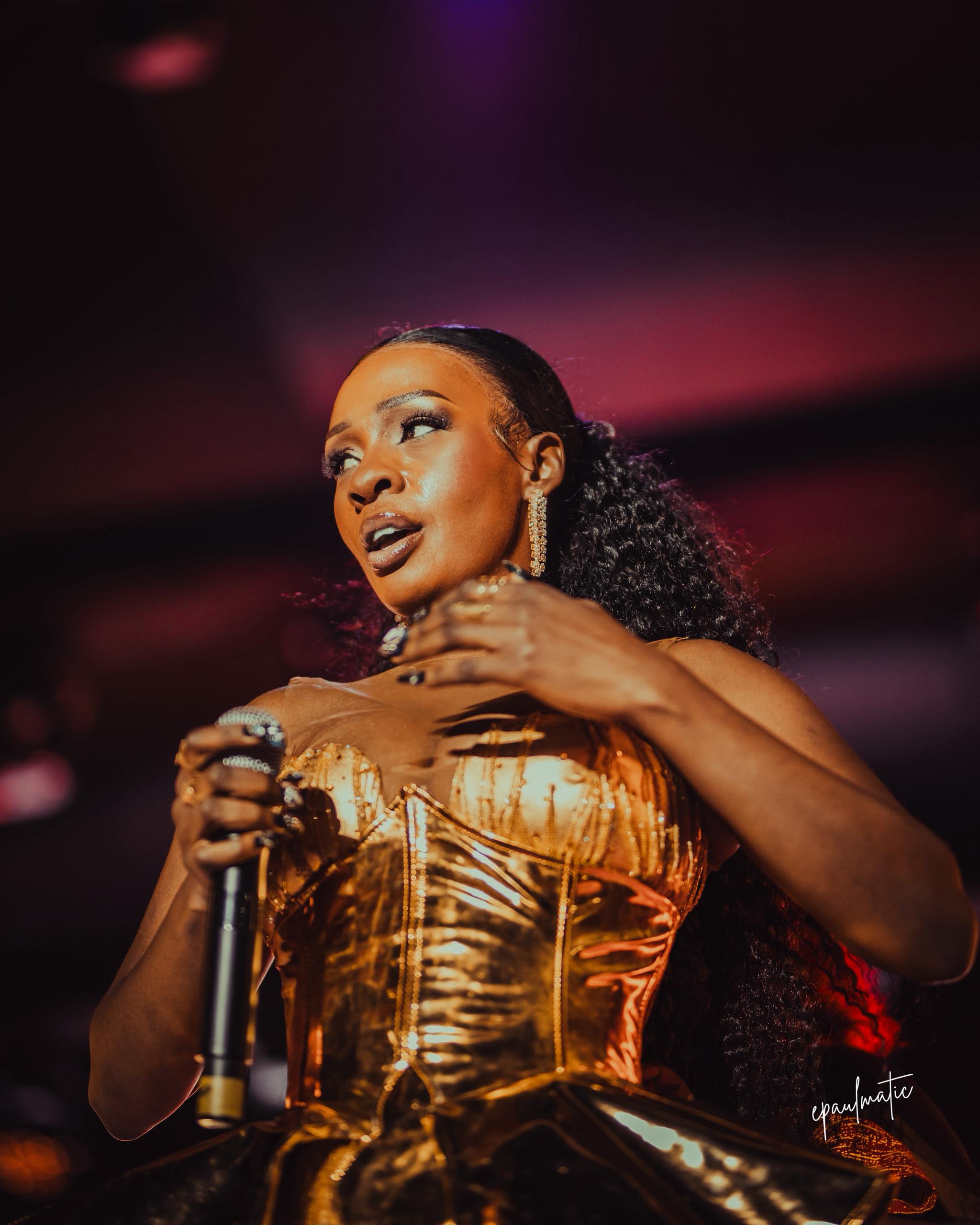
Artists who once defined Nyege Nyege’s sound — including Catu Diosis, Kampire and Decay — increasingly found themselves moved to smaller stages, while the main platform hosted Afrobeats and dancehall stars such as Pallaso, Sheebah and Vampino.

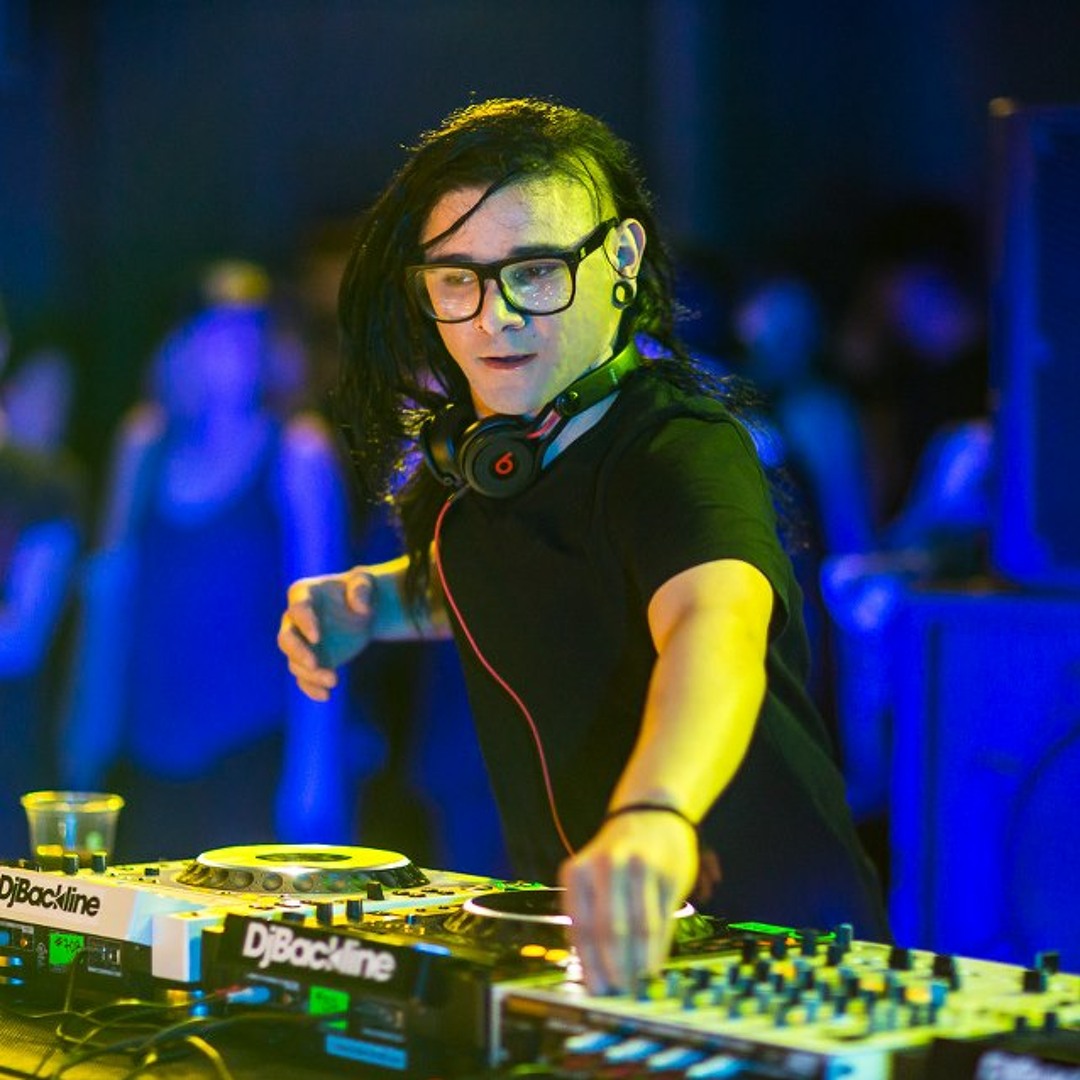
Even the festival’s signature DJ culture has changed. The scene that once centred on underground selectors now features celebrity entertainers like Lyndah Ddane and DJ Alyshia, signalling a strategic shift towards crowd-pulling acts.
New Home, New Chapter
The move to Adrift Overland Camp & River Club marks a significant turning point. The venue offers sweeping views of Kalagala Falls and expanded space for festival activities, addressing long-standing concerns about congestion at previous sites.
Organisers say the change is part of efforts to redefine the festival experience while maintaining the spirit of adventure that has long characterised Nyege Nyege.
Economic Footprint
Regardless of the ongoing debates about Nyege Nyege’s identity, its economic benefit to host communities remains undeniable.
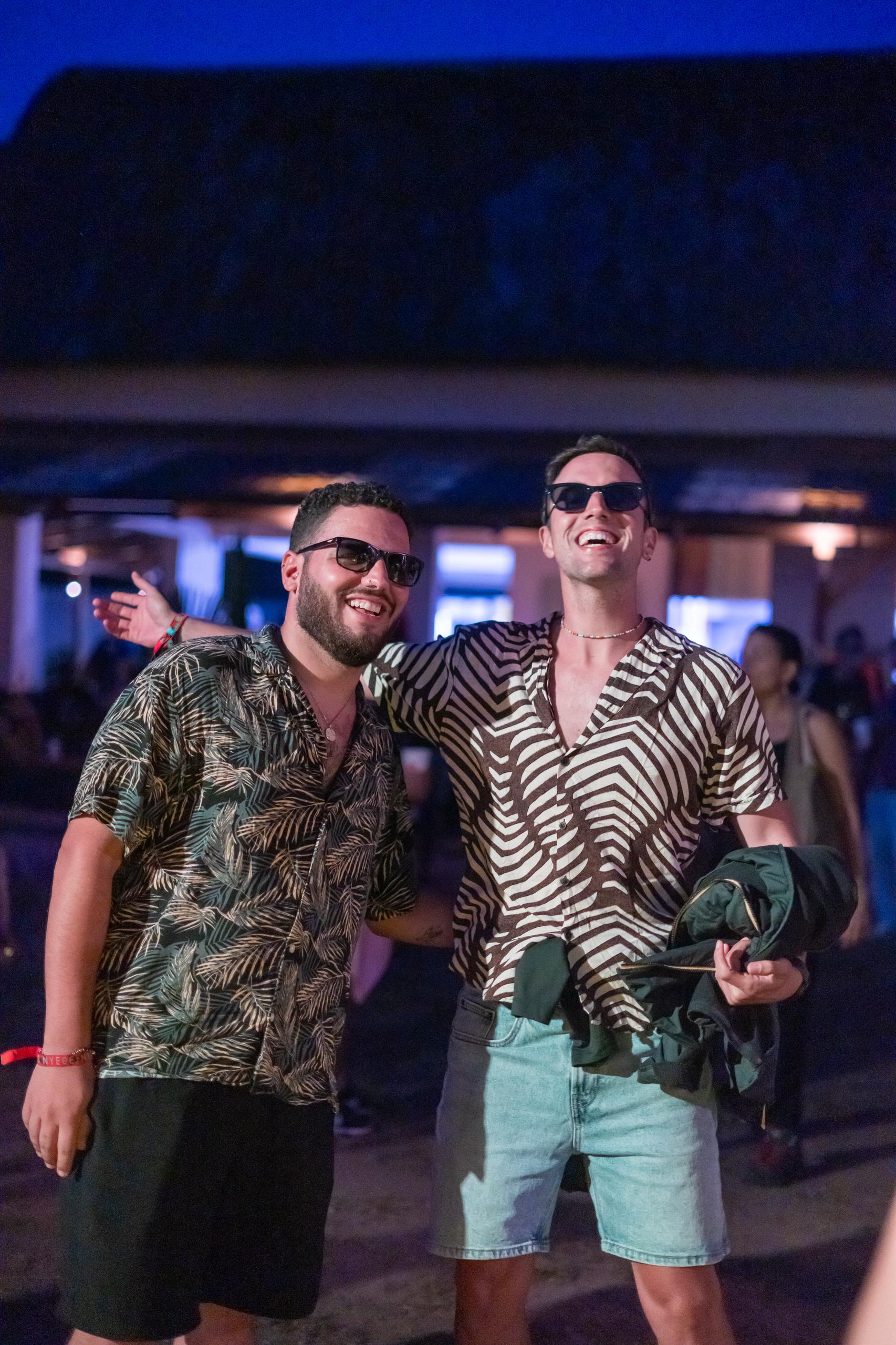
In areas where the festival has been held — from Nile Discovery Resort in Jinja to Itanda Falls and now Kalagala — local residents have consistently tapped into the economic boom it brings. By 2019, homesteads around the festival’s original venue were renting out rooms, compounds and makeshift accommodation to thousands of revellers.
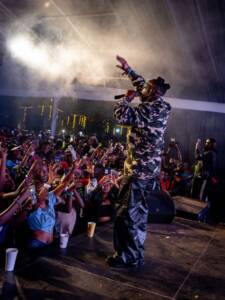
Small businesses also thrive during the four-day event, from food vendors and transport operators to craft sellers and lodge owners. For many, the festival weekend is the most financially rewarding period of the year.
Hits and Misses Over the Years
Hits
-
Strong economic impact on host communities
-
Promotion of Ugandan tourism on a global stage
-
Cultural diversity, drawing artists from Africa, Europe and beyond
-
Unique space for experimental artists to showcase their work
Misses
-
Gradual loss of the original underground identity
-
Increased commercialisation influencing programming
-
Overcrowding and logistical pressures in previous editions
-
A growing tension between mainstream appeal and artistic authenticity
The Road Ahead
As Nyege Nyege celebrates a decade of innovation, controversy and cultural expression, organisers face the challenge of balancing commercial success with the festival’s founding identity. What remains clear is that Nyege Nyege has reshaped Uganda’s music and events landscape in ways few could have predicted in 2015.
The 10th edition, set against the wild backdrop of Kalagala Falls, signals a new chapter — one that will determine what Nyege Nyege becomes in the next decade.